
LEVERAGE · Oregon consumer guides
Show the vehicle you owned. Don’t let missing evidence describe it for you.
Good pictures can help establish equipment and condition. Here is how to use them to support a total-loss valuation instead of sending a gallery no one can interpret.
200-plus five-star reviews · We work for you, not the insurance companies.
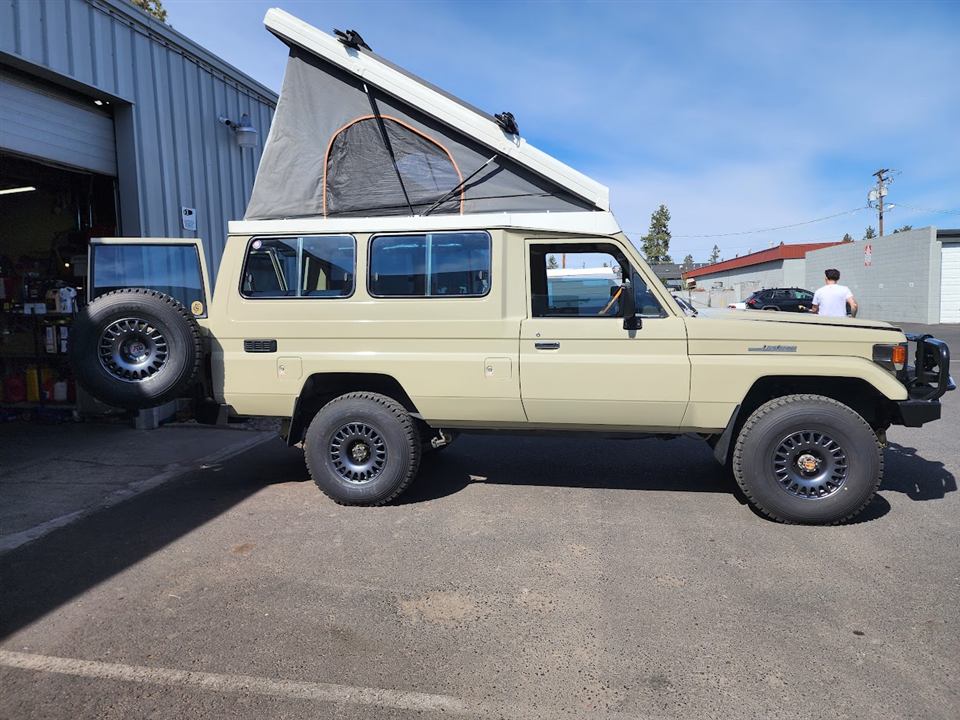
Photographs need a purpose.
I want to know what each photograph establishes. A dashboard photo may show an equipment package. A clear pre-loss exterior photo may help challenge a condition rating. A close-up taken after the collision may show damage, but it does not automatically prove what was there before the loss. Keep original files and dates.
Build a small, useful photo set.
Configuration
Badges, equipment, cab and bed, seating, drivetrain records and conversion details.
Pre-loss condition
Dated exterior and interior photos showing the areas the report rates or deducts for.
Supporting records
Build information, receipts and maintenance records tied to the item being questioned.
Exterior: show context before the close-up.
Include overall views and a close-up of the disputed area. Identify whether the photograph predates the loss. Do not crop out information that changes the meaning, and do not digitally remove damage.
Interior: document the actual equipment.
Seats, controls, infotainment, trim and specialty equipment may help identify configuration. Avoid treating “loaded” as a substitute for the precise package or feature.
Mechanical work: attach the receipt to the claim.
A receipt can establish that work was performed, but its full cost is not automatically added to value. Explain the condition or market contribution you believe it supports.
Inspection: be safe and get permission.
Do not enter an unsafe vehicle or a restricted yard. Ask about supervised access. LEVERAGE’s proprietary InspectIRL software can guide owner photographs when appropriate; we provide directions for that workflow.
Some details are easier to understand when you can see them.
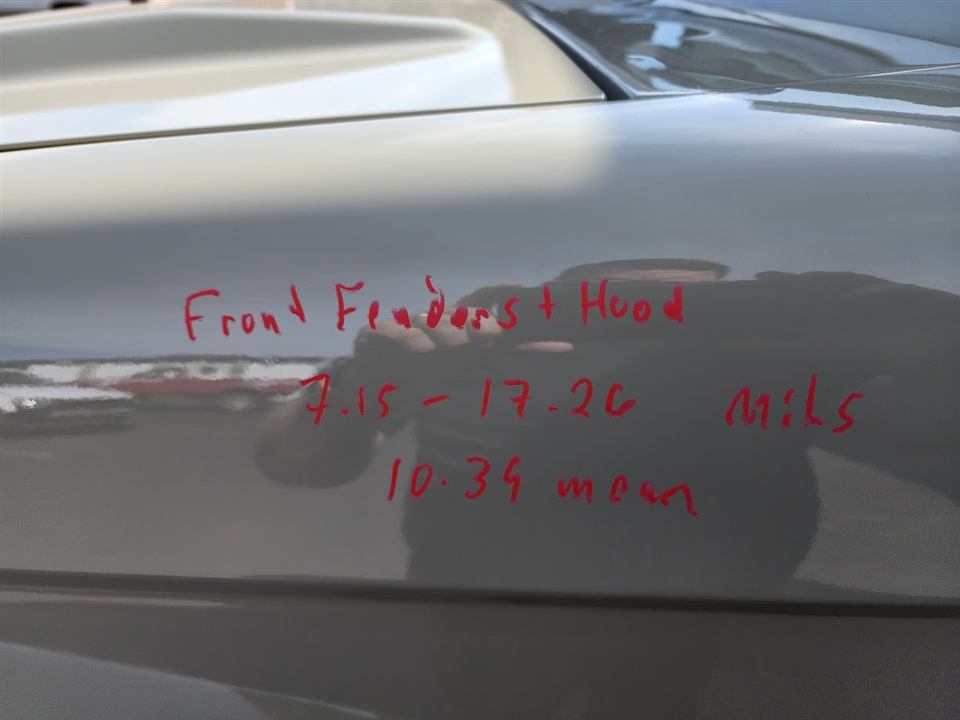
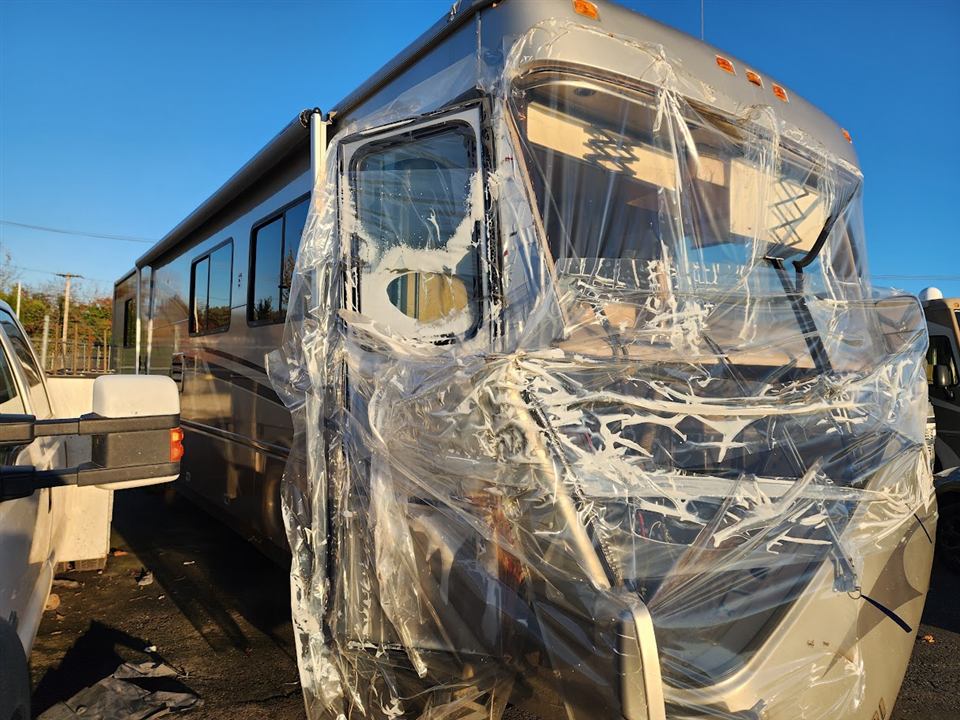
These are photographs from Ken’s work and travels, not a promise of an increase or a before-and-after settlement example.
Label the evidence so someone can use it.
Wording you can adapt
Photo 1, taken before the loss on __, shows __. This relates to the condition rating on report page __. Photos 2 and 3 show __ equipment, supported by the attached build record. Please review the configuration and explain whether the valuation changes.
Three Oregon protections worth understanding.
The report behind the offer
ORS 742.554 requires the valuation or appraisal reports relied on for the total-loss cash offer, along with the required notice. Ask for every page and each revision. This applies to an insured or a third-party vehicle owner; receiving a report does not create a right to invoke someone else’s policy.
The amount that is not in dispute
Under ORS 742.558, payment of the undisputed vehicle value requires agreement to execute ownership-transfer documents and authorization for an insurer-paid move to a disclosed location. The vehicle must remain available there for inspection and evaluation for at least 14 calendar days. After that period it may be sold for salvage. Acceptance of that statutory payment alone does not waive the additional value claim. Read any separate release before signing; arrange inspection promptly.
Reasonable appraisal-cost reimbursement
ORS 742.466 requires reimbursement of reasonable appraisal costs when the policy provides appraisal and the final appraisal decision exceeds the insurer’s last offer made before the costs were incurred. The law does not require a $1,000 increase. It does require the applicable conditions and reasonable costs. Keep the last offer, award and invoice; do not assume this applies to a report purchased for a third-party claim.
Before you hire us.
Is the Red Flag Review free?
Yes. Send the complete valuation and your concern. The review helps us decide whether an appraisal is appropriate. A free review is not a signed appraisal or a promise of an increase.
Who do you work for?
We work for you, not the insurance companies. LEVERAGE has 200-plus five-star reviews. My valuation still has to follow the evidence; independence does not mean picking a number just because it is higher.
How much does LEVERAGE charge?
Your Red Flag Review is free. Appraisals start as low as $399. We quote the assignment and flat fee before you hire us; we do not charge a percentage of your increase.
Can I recover my appraisal cost in Oregon?
For an eligible own-policy appraisal, Oregon requires reimbursement of reasonable appraisal costs when the final appraisal decision exceeds the insurer’s last offer made before the appraisal costs were incurred. Keep the final valuation, last offer and paid invoice. Ask us about documenting the reimbursement request.
Sources and useful documents
- Oregon DFR: totaled vehicles ↗
- Oregon Vehicle Total Loss Notice ↗
- Oregon statutes: ORS 742.466, 742.554 and 742.558 ↗
- Oregon claim-settlement rules: OAR 836-080-0240 ↗
General information for Oregon vehicle owners. Your policy, coverage and claim facts matter. Coverage disputes and legal questions may require separate professional advice.
Get the Advantage. Get LEVERAGE™.
I Know the Tricks. I Know the Trade. I Know Who I Fight For.
We Fight for Oregon Consumers.
Send the report and tell us what does not look right. A free Red Flag Review helps you decide whether an independent appraisal is the next step for your vehicle.
Keep learning.
Choose another guide
- Dispute a Total Loss Settlement
- My Car Is Totaled: Oregon Guide
- Oregon Appraisal Clause Guide
- Total Loss Valuation Report Guide
- State Farm Total Loss Appraisal Clause Disputes in Oregon
- Progressive Total Loss Appraisal Clause Disputes in Oregon
- GEICO Total Loss Appraisal Clause Disputes in Oregon
- Can I Reject a Total Loss Offer in Oregon?
- Total Loss Valuation in Oregon
- Fair Market Value vs. Appraised Value in Oregon
- Oregon Vehicle Valuation Evidence Worksheet
- Oregon Total Loss Storage Fees
- 20 Questions Before Hiring an Oregon Total Loss Appraiser
- Negotiate an Oregon Total Loss Claim Yourself
- I’ve Totaled My Car in Oregon: How Do I Get a Fair Settlement?
- Oregon Car Insurance Total Loss Claim Laws
- How to Dispute Total Loss Value in Oregon
- Oregon Total Loss Insurance Claims
- Total Loss Oregon: Understand Your Options

